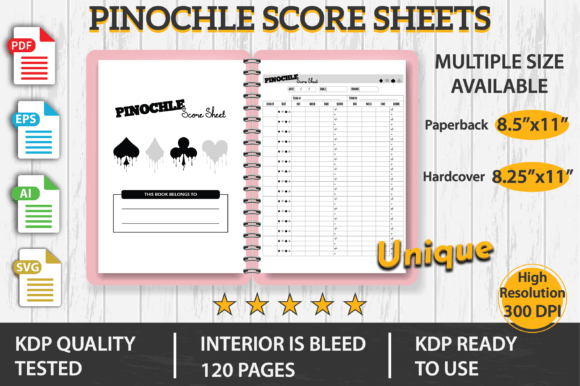
Pinochle Score Sheets KDP Interior
First Impressions: Clean, Nostalgic, and Surprisingly Versatile
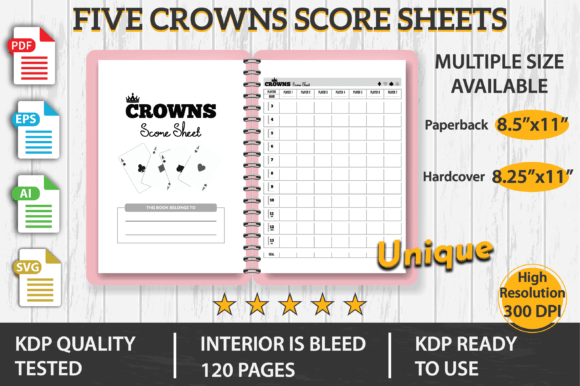
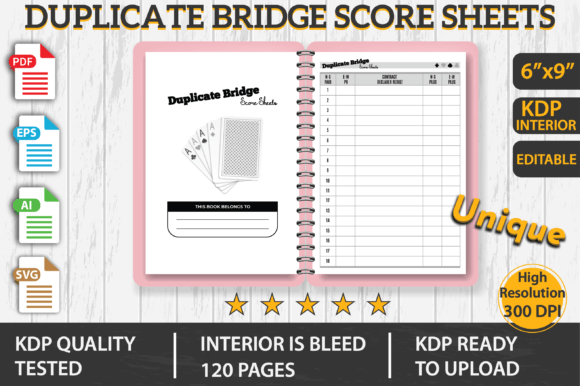
As someone who’s stitched everything from vintage quilt labels to boutique baby onesies, I opened Pinochle Score Sheets KDP Interior expecting a functional print-and-go interior—but what stood out immediately was its quiet confidence. It doesn’t shout. It doesn’t overdesign. Instead, it offers crisp lines, balanced margins, and that subtle, warm typographic rhythm you’d find in a well-worn card game ledger. The 8.25×11 inch layout (with bleed) feels intentional—not cramped, not wasteful—and the 120-page count suggests serious utility for crafters who value consistency across batches.
A Real-World Test: Turning It Into an Embroidered Tote Bag Series
Last month, I used Pinochle Score Sheets KDP Interior as the foundation for a limited-run embroidered tote collection—targeting local game shops and retirement communities. Not as a literal score sheet, but as a design motif: I isolated one clean, centered score grid (no text, just ruled lines and light border framing), digitized it at 3.8” wide, and stitched it onto natural canvas totes using matte cotton thread. The result? A tactile, understated product that felt handmade *and* purposeful. Customers didn’t just buy a bag—they bought into a mood: thoughtful, unhurried, quietly clever. That’s the strength of this asset—it’s not flashy, but it carries weight when translated into stitch.
Where It Shines in Embroidery Projects
- Custom apparel: Works beautifully on sweatshirt cuffs or chest pockets—especially when scaled down to 2.5–4 inches. The open grid structure avoids dense fill stitch, reducing puckering on midweight knits.
- Embroidered patches: Its clean geometry translates cleanly to appliqué design. I stitched one version onto twill backing with satin stitch borders—held up perfectly through washing and ironing.
- Baby embroidery: On organic cotton bibs and burp cloths, the minimal line work reads softly—no tiny lettering to distort, no high-contrast elements that overwhelm delicate fabrics.
- Holiday & wedding gifts: Paired with monogrammed initials or a date stamp, it becomes a charming “game night keepsake” item—ideal for Etsy sellers bundling digital embroidery files with printable mockups.
- Craft business branding: As a subtle watermark or corner motif on tea towels or aprons, it reinforces niche identity without sacrificing elegance.
Where to Proceed With Care
This isn’t a one-size-fits-all machine embroidery design. Its strength is in restraint—and that means certain contexts need extra attention:
- Small hoop sizes (under 4”): Avoid using full-page layouts. Crop thoughtfully—focus on one quadrant or a single column header. Tiny ruled lines may vanish or blur if shrunk too aggressively.
- Textured or stretchy fabric: On jersey or slub linen, test stitch density first. Light fill areas can shift; consider adding a light tear-away stabilizer beneath.
- Dark or black fabric: The original graphic appears light-line based. Confirm contrast in your embroidery file preview—some versions may need reversed outlines or heavier running stitch definition.
- Curved surfaces (caps, hats): Stick to simplified versions. Full grids distort easily on rounded crowns—opt for a single, bold score box instead.
- Frequent-wash items (kitchen towels, baby clothes): Avoid overly fine line weights. If your digitized version includes sub-0.8mm strokes, reinforce with a second pass or switch to a slightly bolder outline.
What It Adds—Beyond the Stitch
Pinochle Score Sheets KDP Interior quietly elevates perceived value. Because it reads as “designed,” not “downloaded,” customers respond to its professionalism—even when stitched simply. I’ve watched buyers linger longer on listings featuring this motif in custom apparel, especially when paired with a short story about Pinochle’s legacy. That emotional resonance matters: it builds trust, supports brand consistency, and makes personalized gifts feel more intentional. For Etsy sellers or small shop owners, that nuance separates a quick craft fair flip from a memorable, repeat-purchase product.
Practical Designer Notes Before You Stitch
- Always test Pinochle Score Sheets KDP Interior on scrap fabric matching your final project’s weight and texture.
- Check thread color contrast—not just on white, but on your actual base fabric. A light gray grid may disappear on heathered cotton.
- Review stitch density in your embroidery software. If digitizing yourself, avoid excessive underlay in open-line sections.
- Confirm hoop size compatibility before digitizing—some page elements may extend near bleed edges.
- Inspect corners and intersections: do lines meet cleanly? Will tight angles cause thread breaks on older machines?
- Test a black-and-white mockup. Does the hierarchy hold? Does spacing feel generous, not sparse?
- Compare light and dark fabric backgrounds side-by-side—what reads clearly on ivory may vanish on navy.
- Use appropriate stabilizer: cutaway for knits, tear-away for stable wovens, fusible for lightweight linens.
- Verify licensing terms—Pinochle Score Sheets KDP Interior is listed as a Graphics asset within Kdp Interiors, so confirm commercial use rights before selling finished embroidered products or bundled digital embroidery files.
Final Thought: A Design That Respects the Craft
This isn’t a trend-chasing graphic. It’s a grounded, functional piece—built for repetition, clarity, and quiet charm. Whether you’re stitching a single holiday gift or building a full craft business line around nostalgic pastimes, Pinochle Score Sheets KDP Interior gives you room to breathe, space to personalize, and integrity in every line. Use it wisely, test thoroughly, and let its simplicity do the talking.