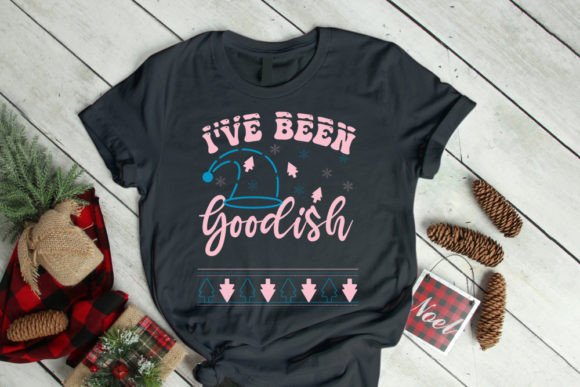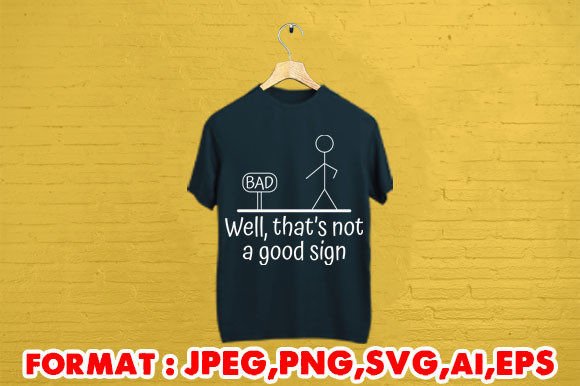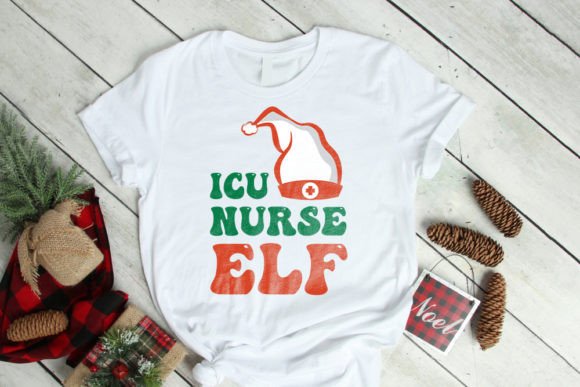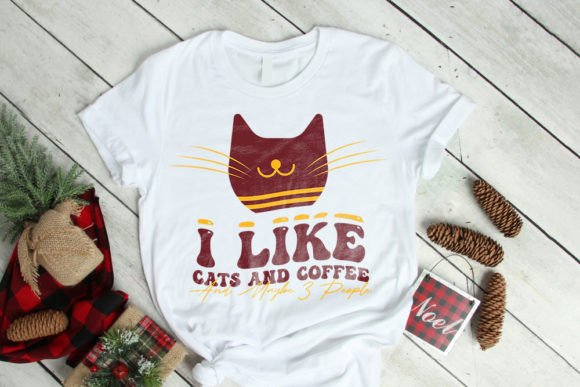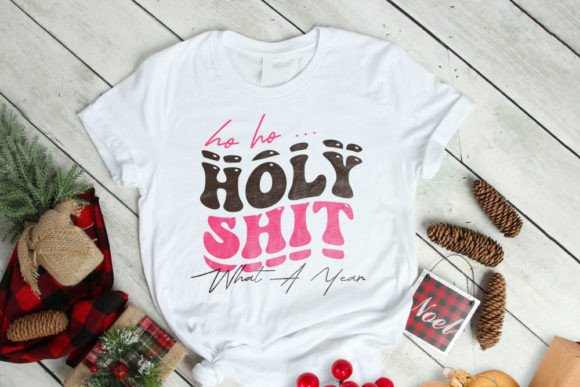
Retro Funny Christmas New Year T-Shirt Graphics
As a brand designer who’s developed visual identities for over 40 local businesses—from indie candle studios and neighborhood bakeries to handmade soap makers and seasonal pop-up boutiques—I recently evaluated the Retro Funny Christmas New Year T-Shirt graphic design asset with a very specific question in mind: Can this work beyond apparel—as a versatile, on-brand element across packaging, labels, and promotional visuals? The short answer is yes—but only if applied with intention.
First Impression: Playful, Nostalgic, and Unapologetically Festive
Opening the file, I immediately noticed its confident retro palette—crimson, mustard yellow, and deep forest green—with bold halftone textures and hand-drawn lettering. It doesn’t whisper “holiday cheer”—it shouts it, with warmth and wit. This isn’t minimalist elegance or quiet luxury. It’s joyful, slightly irreverent, and deeply human. For a local business like Maple & Mistletoe Bakery, which sells gingerbread cookies shaped like vintage radios and peppermint hot cocoa in mason jars, this mood aligns perfectly: handmade, nostalgic, community-focused, and full of personality.
The design suggests a brand that values authenticity over polish—ideal for food trucks, craft fairs, boutique gift shops, children’s product lines, and small-batch skincare brands leaning into seasonal storytelling. It feels friendly, not corporate; festive, not generic; and handmade-adjacent, even though it’s digital. That emotional resonance is rare—and valuable.
Where This Graphic Design Asset Earns Its Keep
In real-world small business branding, the Retro Funny Christmas New Year T-Shirt shines when used as a decorative brand element, not a standalone logo. Here’s where it delivers measurable value:
- Product labels and jar sleeves—especially for holiday-themed preserves, spiced syrups, or limited-edition bath bombs
- Seasonal packaging accents—think belly bands on gift boxes, sticker seals on kraft mailers, or die-cut hang tags for handmade ornaments
- Social media graphics—as hero banners for Instagram Stories, Facebook event covers, or printable promo cards for in-store pickup
- Printable inserts—thank-you cards tucked into orders, recipe cards bundled with holiday cookie kits, or festive price lists for pop-up markets
- Menu and flyer design—for coffee shops offering “Ugly Sweater Latte” specials or florists launching “Retro Reindeer Arrangements”
- Product mockups—when presenting branded tote bags, ceramic mugs, or canvas market totes to local retailers or wholesale buyers
Used thoughtfully, it strengthens visual hierarchy by anchoring festive campaigns with instant recognition. It builds customer trust—not through sterile professionalism, but through consistent, emotionally intelligent design choices that say, “We know who we are, and we’re having fun doing it.”
Where Caution Is Essential
This isn’t a one-size-fits-all solution. As a commercial design asset, the Retro Funny Christmas New Year T-Shirt can undermine credibility if misapplied. Avoid using it:
- In formal brand identity systems—like law firms, financial advisors, or healthcare providers (even seasonal pop-ups)
- On tiny product labels where fine halftones blur or text becomes illegible at under 1.5 cm height
- Over busy backgrounds—especially ingredient-heavy food labels or skincare packaging requiring high legibility
- Alongside luxury minimalist brands that rely on whitespace, serif typography, and monochrome palettes
- Where decorative elements compete with critical information—nutrition facts, safety warnings, or legal disclaimers
It’s also not ideal for SVG-based web icons or responsive navigation bars—its charm lives in texture and scale, not scalability.
Practical Brand Designer Notes for Real Projects
Before integrating this graphic design asset into your client’s packaging design or small business branding system, here’s what I test every time:
- Print it at actual label size on the exact substrate—kraft paper, matte vinyl, or recycled cardstock—to assess ink bleed and contrast
- Convert to grayscale and invert—does the halftone hold up? Does key messaging remain legible without color cues?
- Overlay it beside your brand’s primary typefaces: Does it harmonize with a warm script font (like for bakery tags), a clean sans-serif (for modern apothecary labels), or a bold display face (for posters)?
- Drop it into a Canva template or Adobe Illustrator mockup alongside competitor packaging—does it stand out *appropriately*, not just loudly?
- Verify PNG transparency—no stray white edges around ornaments or text. Check SVG editability if you need to recolor individual elements for brand alignment
- Confirm commercial license terms—especially for physical product sales, wholesale distribution, or client-facing deliverables. Not all creative marketplace assets permit resale on merchandise or packaging
For a handmade business launching holiday candles, I’d pair this design with a simple wordmark logo and use it exclusively as a seasonal badge—not the core identity. For a local coffee shop’s December menu, I’d scale it large behind the headline, then fade it 20% to keep readability intact. Context is everything.
Final Thought: A Strategic Seasonal Asset, Not Just Clipart
The Retro Funny Christmas New Year T-Shirt isn’t just another clipart download. When treated as a considered design asset—not a shortcut—it elevates small business branding by adding warmth, specificity, and cultural relevance. It supports better shelf appeal at farmers’ markets, stronger emotional connection on social feeds, and more polished marketing visuals for local press features or gift guides.
Used with discipline, it becomes part of a cohesive brand story—not decoration for decoration’s sake. And in today’s crowded marketplace, that distinction is exactly what helps a local business feel both memorable and authentically human.