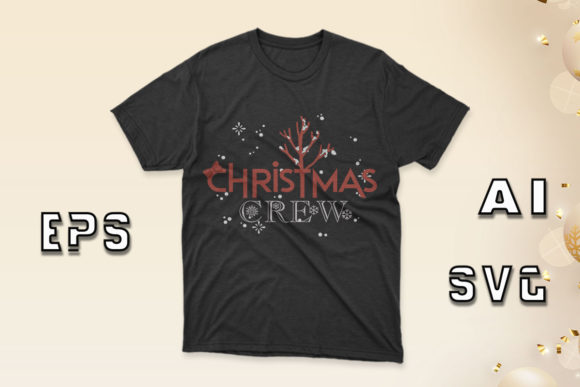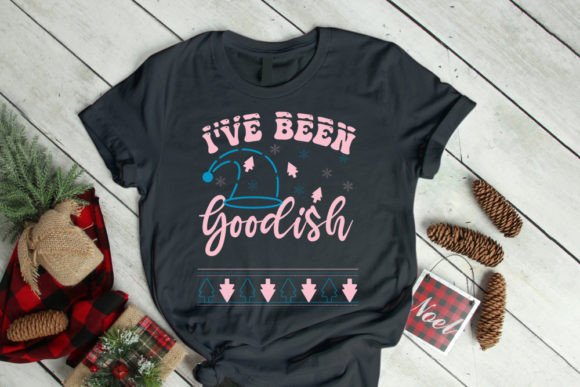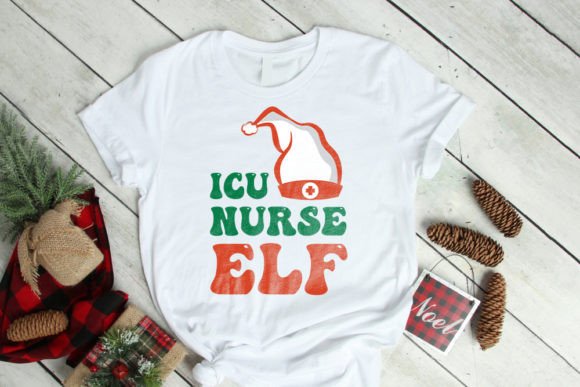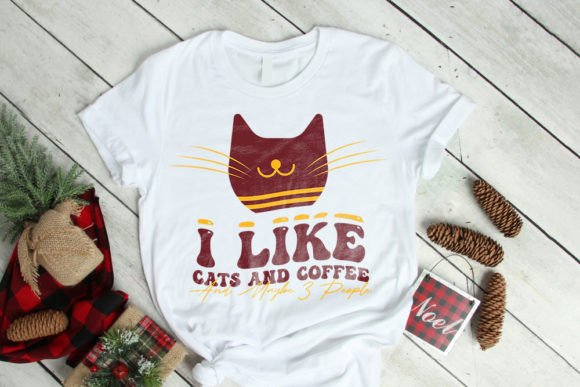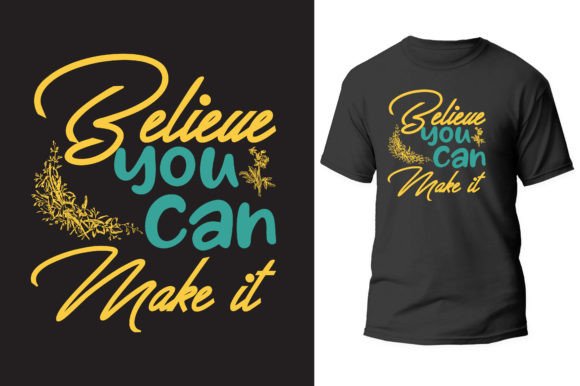
Typography T-Shirt Design Graphics for T-Shirt Designs
As someone who’s launched over 200 digital product listings across Etsy, Creative Market, and Shopify—and scaled three print-on-demand stores—I opened Typography T-shirt Design expecting a quick asset check. Instead, I paused. Not because it’s flashy, but because it’s quietly versatile: clean lines, intentional spacing, and a balanced weight that reads well at 2 inches or 20. It leans modern-minimal with subtle personality—neither sterile nor overly playful—making it ideal for audiences who value clarity and quiet confidence: educators, wellness coaches, small-batch makers, and indie book lovers.
This isn’t a trend-chasing script font or a chaotic layered quote. It’s a single-line typographic statement built from 100 fully editable vector shapes. You’ll get one SVG (optimized for Cricut and Silhouette), one high-res PNG with crisp transparency, one DXF for CNC or laser users, plus EPS and AI files—so whether you’re prepping sublimation transfers or building Canva templates, the foundation holds. Color changes take seconds in any vector editor. Scaling? No pixelation, no distortion. That matters when you’re bundling it into a printable planner kit or stretching it across a tote bag mockup.
In real shop prep, I tested Typography T-shirt Design across five product types before listing: an SVG-based Cricut tumbler wrap bundle, a set of printable nursery wall art (8x10 and 16x20), a Canva template pack for podcast launch announcements, a sublimation-ready mug design series, and a seasonal digital download bundle themed around “intentional living.” In every case, it anchored the visual hierarchy without competing—especially when paired with soft serif body text or airy sans-serif captions. Its simplicity meant faster mockup rendering, cleaner thumbnail contrast on Etsy, and stronger click-throughs in Pinterest-promoted listings.
Where this graphic design asset shines most is in consistency-driven collections. If you sell digital downloads, pairing Typography T-shirt Design with coordinating line art icons or neutral-toned digital paper packs builds perceived brand cohesion—even if you’re a solo creator. For print-on-demand sellers, it works reliably across platforms: Printful renders the SVG cleanly, Gooten handles the EPS without flattening layers, and Redbubble’s PNG preview stays sharp. As a sticker design, it cuts cleanly on Cricut Explore Air 2 (tested with both vinyl and matte sticker paper), and as a mug design, it wraps without warping in standard 300dpi sublimation specs.
It also supports visual storytelling beyond apparel. I dropped it into a blog post header graphic for a small business branding guide—centered over a muted linen texture—and it elevated the entire layout. Used as packaging design for handmade soap labels, it added premium restraint without needing extra embellishment. As social media graphics, it scaled beautifully into Instagram carousels and Pinterest Idea Pins, especially when layered over soft-focus lifestyle photos.
That said, use it intentionally—not everywhere. Avoid cramming it into tiny sticker sheets where fine letter spacing gets lost at under 1 inch. Skip using it as the sole element in text-heavy Canva templates (e.g., multi-page workbooks) unless you add clear visual breathing room. On dark backgrounds, double-check contrast—some weights fade if your base color is near-midnight navy. And while the PNG transparency is flawless, always preview it against your intended product background (e.g., a cream-colored shirt mockup) before finalizing your listing image.
Before publishing any product using Typography T-shirt Design, run these five seller checks: First, drop the SVG into a free Cricut Design Space test cut—verify smooth path continuity and no stray anchor points. Second, open the PNG in Photoshop or Photopea and zoom to 400% to confirm edge crispness and alpha channel integrity. Third, load the AI file into Illustrator and try recoloring all shapes at once—this confirms layer organization and grouping logic. Fourth, place it in a mockup at thumbnail size (250px wide) and ask: Does it read clearly on mobile? Fifth, confirm your commercial license covers finished goods—yes, this is a commercial design, but always re-read the terms before selling mugs, shirts, or digital templates containing it.
For pairing, it harmonizes best with fonts that respect its rhythm: a warm serif like Lora for printed greeting cards, a friendly sans-serif like Poppins for Canva templates, a delicate script like Pacifico for invitation accents, and bold display fonts like Bebas Neue for contrast in social media banners. Don’t force decorative flourishes—its strength is restraint.
If you’re building a cohesive digital product shop—whether selling printable design assets, SVG bundles for crafters, or ready-to-print merchandise graphics—Typography T-shirt Design is less of a standalone item and more of a quiet multiplier. It elevates thumbnails, strengthens brand identity without shouting, and adapts across formats without rework. For Etsy sellers refreshing seasonal listings, print-on-demand creators testing new niches, or Canva template designers building scalable kits, it’s not just another t-shirt design—it’s a reliable, licensable, production-ready piece of your creative infrastructure.
- Test it on both white and charcoal shirt mockups before finalizing your Etsy product
- Bundle it with complementary clipart or digital paper to increase average order value
- Use the SVG version for Cricut projects requiring precise cut lines and weld-ready paths
- Repurpose the PNG transparent file for social media banners, blog headers, and email newsletter graphics
- Verify commercial license scope before including it in paid Canva templates or subscription design bundles