Mazes
A Puzzle of Precision and Potential
As a designer who's stitched everything from custom apparel to boutique branding, I approach each embroidery design with the same curiosity and critical eye. Mazes is no exception. At first glance, it evokes a sense of challenge and quiet satisfaction—like solving a riddle with your hands. The clean lines and structured layout suggest a design that’s both functional and visually engaging. It’s the kind of pattern that could easily find its way into a range of projects, from holiday gifts to small shop merchandise.
The First Impression: Logic Meets Craft
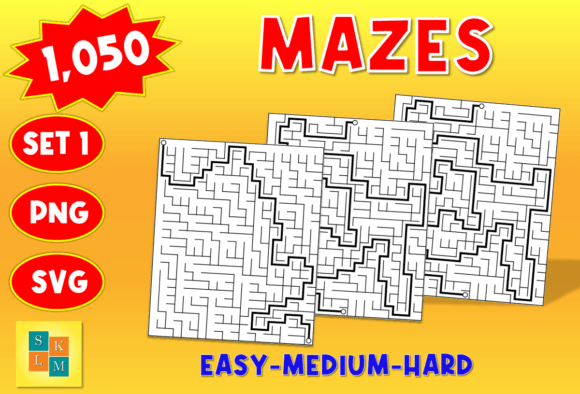
Mazes has a calm, intellectual vibe. The geometric composition feels intentional, almost like a visual logic puzzle in itself. Each level introduces more complexity, which hints at a thoughtful progression in difficulty. This makes it ideal for those who want to offer variety in their product line or create a series of designs that cater to different skill levels. The design’s simplicity also means it can adapt well to various fabric types and project sizes.
Real-Life Use Case: Custom Embroidered Tote Bag
Let’s imagine a scenario: a customer wants a custom tote bag for a local craft fair. The design needs to be bold enough to stand out but not so intricate that it becomes overwhelming. Mazes fits this perfectly. Its structured layout works well on a larger surface, and the three difficulty levels allow for customization based on the customer’s preference. A medium-level maze would add just the right amount of detail without sacrificing clarity.
Stitching Mazes onto a tote bag would require attention to thread color contrast and stitch density. A white or light-colored design on a dark fabric would demand higher contrast threads, while a darker maze on a light background might need subtle shading to maintain definition. Testing the design on scrap fabric before committing to the final product is always a good idea.
Performance in Real-World Embroidery Situations
Mazes performs well in a variety of embroidery applications. On custom apparel like sweatshirts and t-shirts, it adds an element of intrigue without overpowering the garment. For baby items, a simpler version of the maze would work best, ensuring the design remains soft and gentle. Patches and embroidered caps are also great options, especially when paired with a contrasting stabilizer to maintain shape and detail.
However, there are situations where Mazes may require extra care. Dense stitch areas and detailed corners can cause issues on thin or stretchy fabrics. These areas may need additional stabilizer or even a smaller hoop size to prevent distortion. Dark fabrics can also make the design less visible unless the thread colors are chosen carefully. Testing in black and white mockups helps identify potential visibility problems early on.
Design Considerations for Commercial and Personal Projects
If you're an Etsy seller or running a small shop, Mazes offers versatility. It can be used as a standalone design or paired with other graphics for a cohesive look. For commercial use, it’s important to confirm licensing terms and ensure the design is suitable for both personal and business projects. Digital embroidery files should be checked for compatibility with common embroidery machines, and file formats should be verified to avoid stitching errors.
When considering stitch density, it’s crucial to balance detail with readability. A high-density fill stitch can create a smooth, polished look, but it may also increase the time and effort required for stitching. Running stitch and satin stitch can be used strategically to highlight key elements of the maze without overwhelming the overall design.
Where to Be Careful: Fabric and Application Challenges
Mazes is not without its limitations. On small hoop sizes, the design may become too dense or lose its clarity. Textured fabrics can also affect how the design looks and feels after stitching. Curved surfaces like caps or hats require careful placement to avoid distortion. Additionally, products that undergo frequent washing, such as kitchen towels or aprons, may benefit from a more durable stabilizer or a simplified version of the design.
For handmade products, the design’s clarity and precision contribute significantly to the overall presentation. A well-executed maze can elevate a simple item into something special, enhancing both the visual appeal and the perceived value. Customers often appreciate the thoughtfulness behind a design that balances complexity with usability.
Practical Designer Notes for Success
Before using Mazes in any project, consider the following:
- Test on scrap fabric to assess stitch quality and design clarity.
- Check thread color contrast against the fabric to ensure visibility.
- Review stitch density to avoid over-stitching or under-stitching.
- Confirm hoop size to prevent distortion and ensure proper alignment.
- Inspect small details for consistency and clarity.
- Use proper stabilizer to maintain shape and prevent puckering.
- Test in black and white to identify potential visibility issues.
- Compare light and dark backgrounds to determine optimal color choices.
- Ensure licensing compliance if selling finished items or digital products.
Mazes is a versatile design that can enhance a wide range of embroidery projects. Whether you're creating personalized gifts, custom apparel, or commercial design assets, it offers a unique blend of challenge and creativity. With the right preparation and attention to detail, it can become a valuable addition to your design toolkit.